Twelve weeks living and working together on a 350-acre conference and retreat center in West Virginia
June 5 to August 29, 2027
Attention is what makes us human. We will explore practices that invite us to encounter our attention in all its forms: practical projects, movement, meditation, literature, and living in community. Based on the practical teachings of G. I. Gurdjieff and J. G. Bennett, two twentieth-century teachers who taught people methods to help them change.
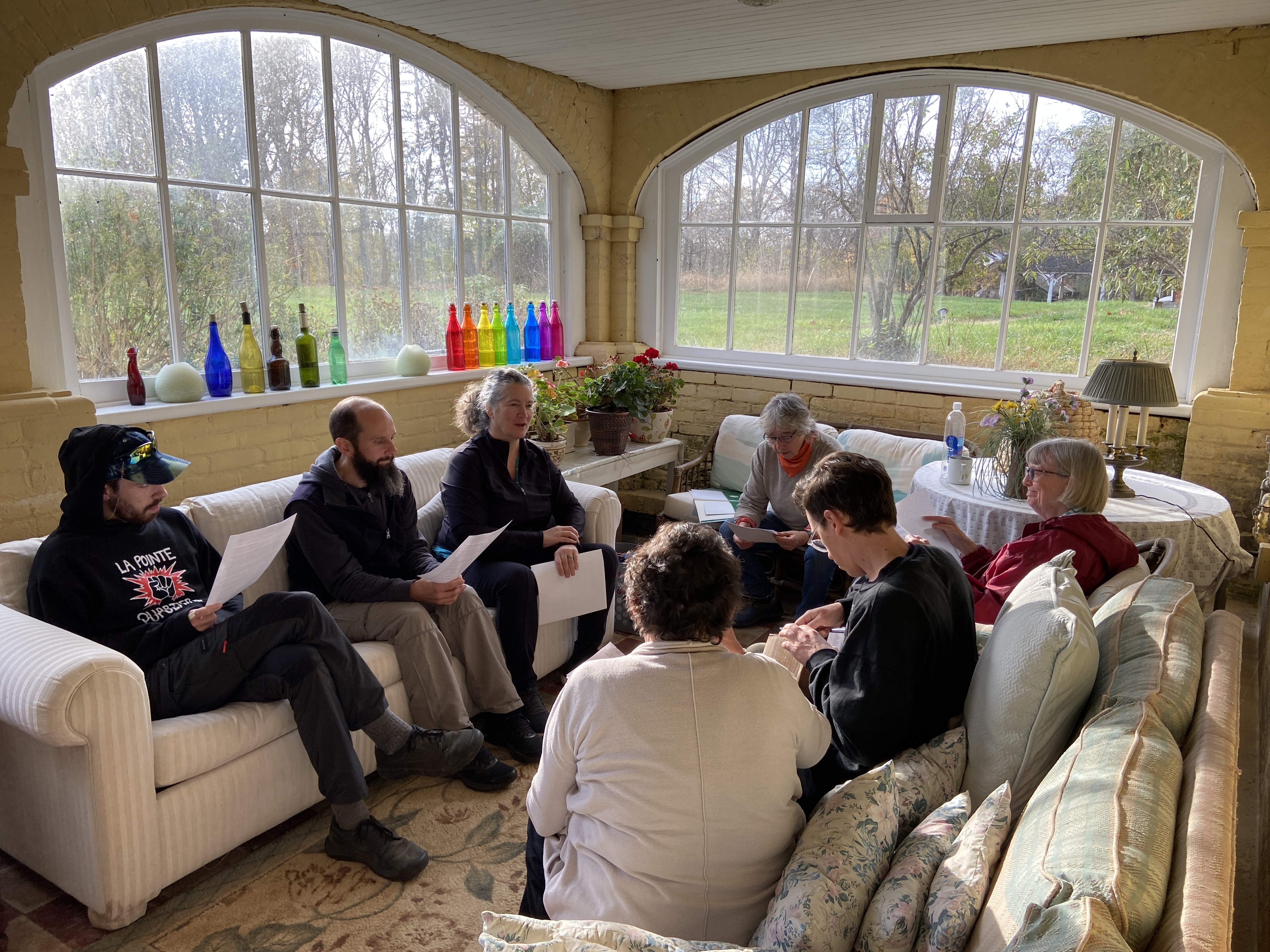
A typical day begins before breakfast. You work with your attention through exercises that bring mind, feeling, and body into contact with each other. Meditation is part of it, but not all of it.
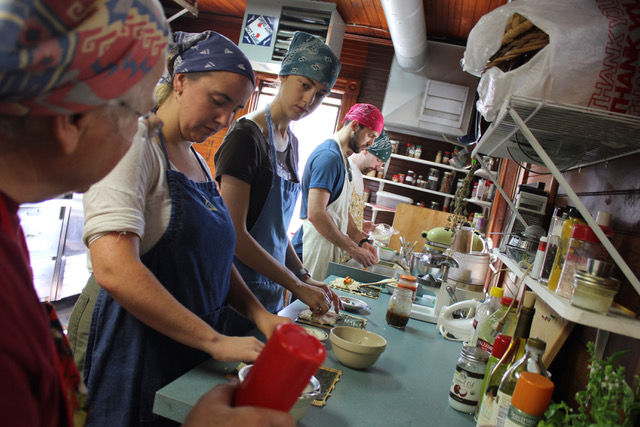
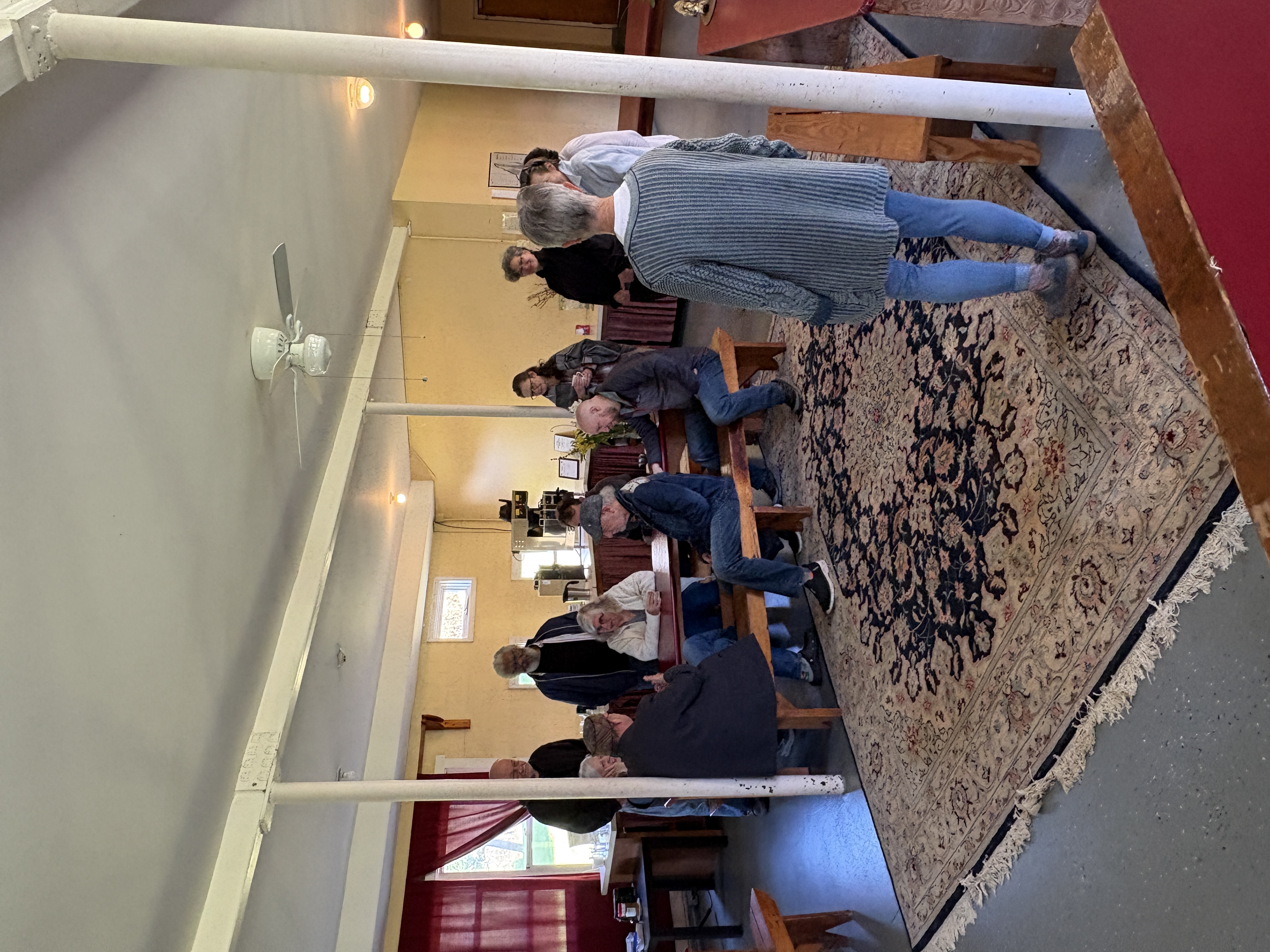
People take turns to prepare breakfast, and clean up together.
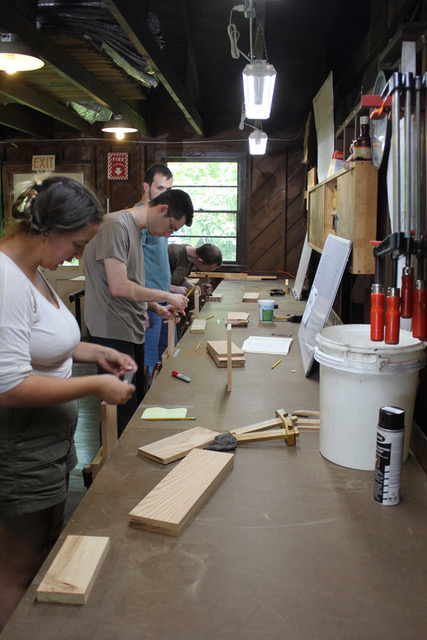
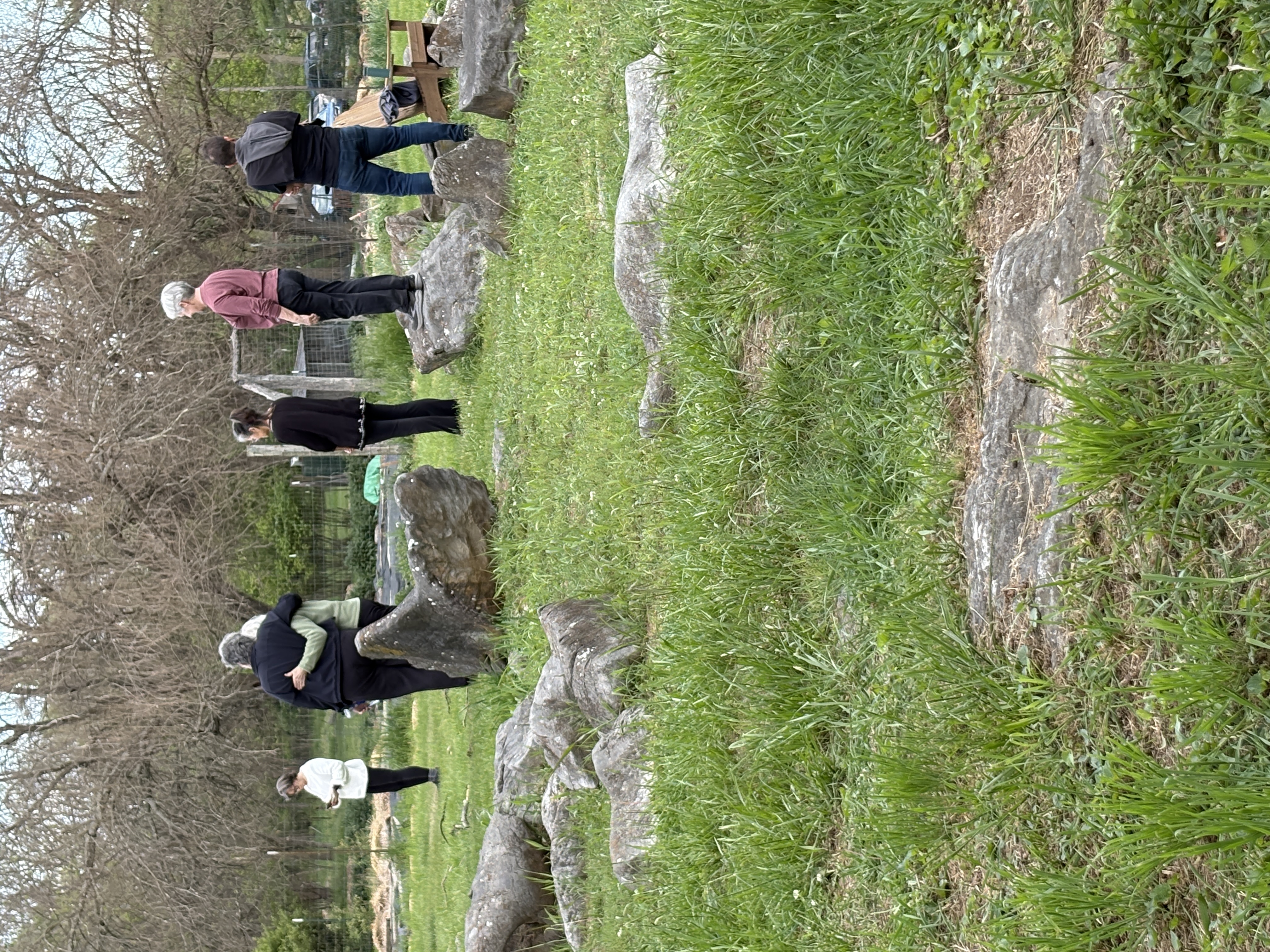
Mornings are spent outdoors, learning physical skills — carpentry, planting, caring for the land — while holding a specific inner awareness at the same time.
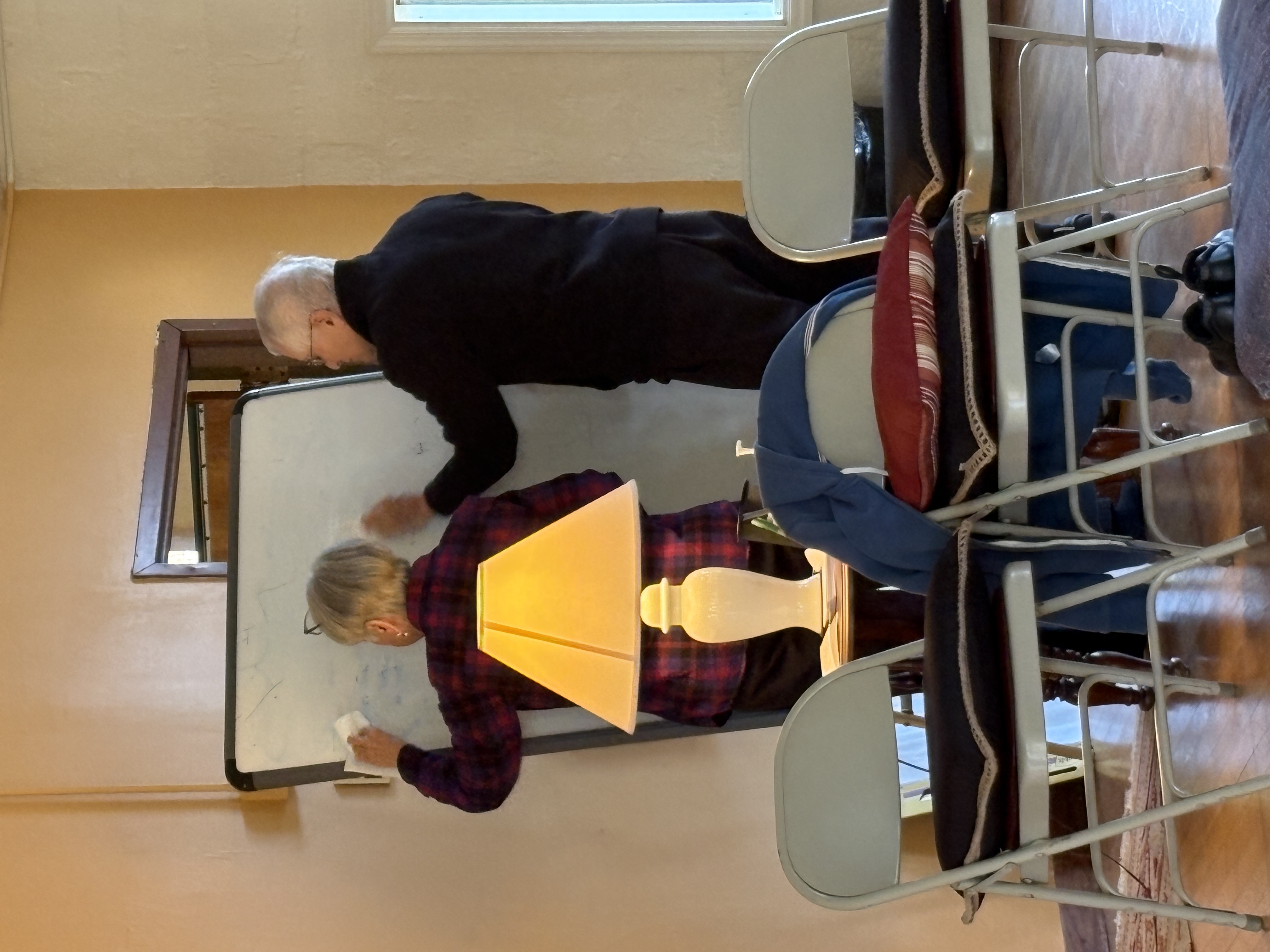
Lunch together. The afternoon brings a class in movement and dance that works body, mind, and heart at once. Dinner. An evening talk, reading, or sharing.
Every day follows a similar shape. No two days teach the same thing.
Shared work is part of the study, not a break from it.
This is not a retreat.
The course is not the same as ordinary life but it is not separate from it. We are challenged to show up fully every day in your body and in your attention alongside people from different countries and traditions who want the same thing you do: to learn how to live differently.
This century is putting real pressure on people.
Our actions are changing the climate. Artificial intelligence and robotics are raising honest questions about what human beings are for. Social media are wearing down our confidence in our own judgment, and our sense of who we are.
It’s getting harder to tell what is true. It is getting harder to think for ourselves.
Constant scrolling and rapid messaging reduce our ability to hold attention, or point it where we want it. Online contact is replacing real contact, and people — younger people especially — are ending up isolated and depressed.
How do you keep your footing? How do you learn to trust your own judgment in a world where “influencer” is a job title?
What You Will Actually Learn
The main aim of the course is simple: to help you see for yourself what the right action is in a given situation, and to trust that judgment.
You get direct experience of how your mind, your feelings, your body, and your will actually relate to one another. Doing practical work while holding your attention builds a habit you can take home with you.
Human experience itself transforms energy, and changing the world starts with changing yourself. The quality of attention you bring to your work, your relationships, and your own inner life sets the quality of what you give back.
The Setting
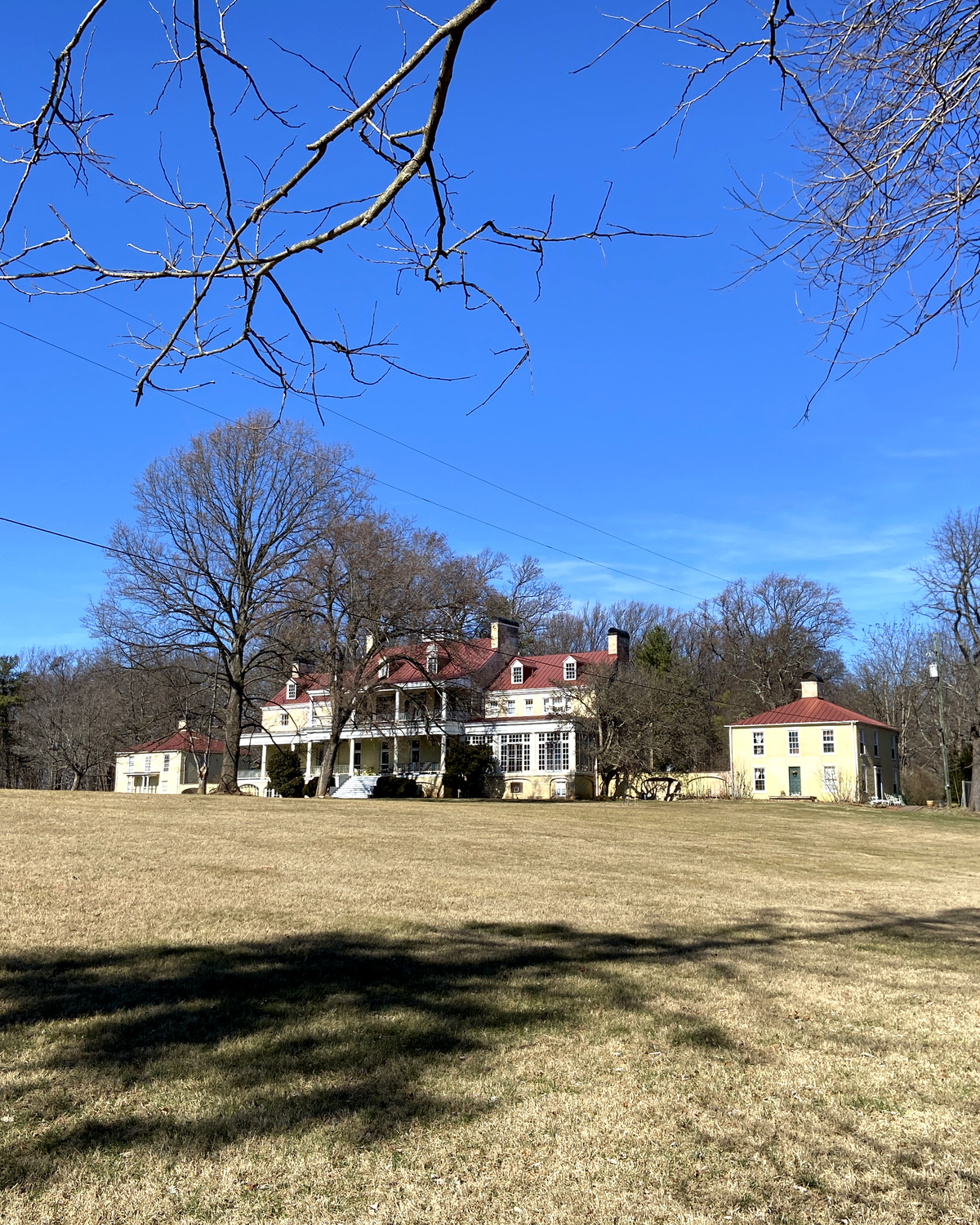
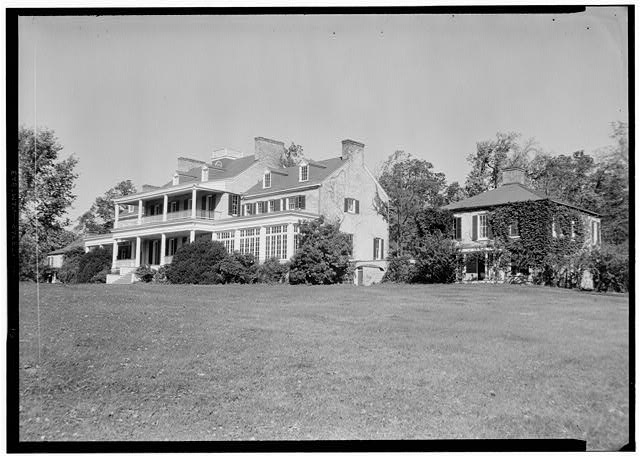
The course is held at the Claymont Society for Continuous Education, 50 miles north-west of Washington, D.C., near Charles Town, West Virginia — less than an hour’s drive from Dulles International Airport.
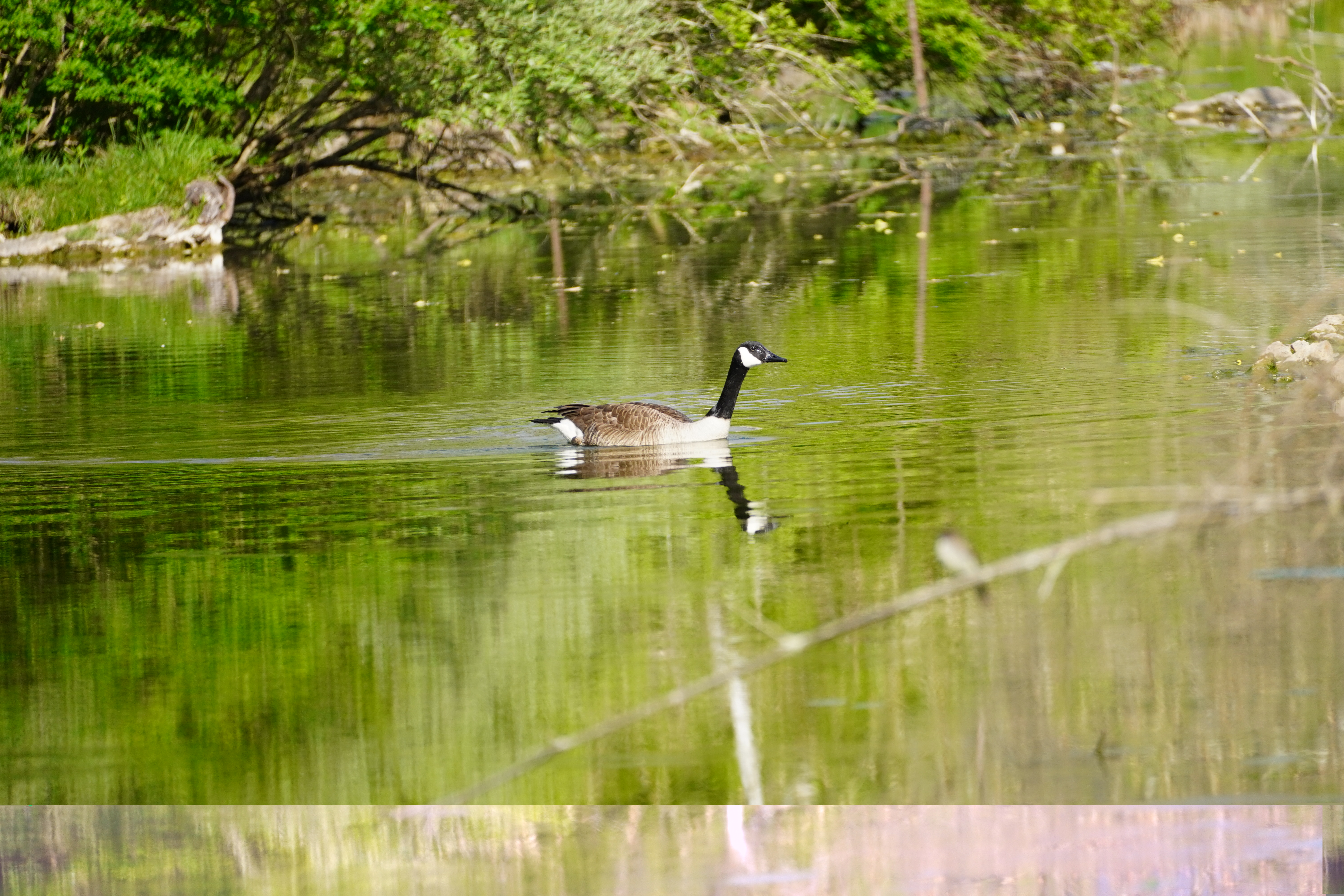
The property includes 350 acres of forest, farmland, and meadow. As a retreat and conference center, Claymont offers single and shared rooms, and dormitory accommodation. There is full internet and phone access, though the aim is that participants take the opportunity to be less dependent on their devices.
Background
Background to the Course
The courses were based on the ideas and methods of G. I. Gurdjieff, and Bennett’s own experience and research into a variety of spiritual traditions, including Sufism, Buddhism, Hinduism, Christianity, and Judaism. The courses were intended as a way to give people the means to develop their own inner life, and inner resilience, so they could respond constructively to the world around them, and be a positive influence that might be of service to the wider community.
The Claymont Society for Continuous Education was initially set up by Bennett in 1974 to continue such courses in the United States, and to make experiments in community living. Claymont offered ten-month, and later four-month, courses for a number of years.
Since then Claymont has served as a retreat and conference center, for a wide variety of organizations and spiritual groups — often with similar aims to Claymont itself.
In light of the current world situation, Claymont is again offering courses with a structure and intention on the same lines as the courses that went before. Following two successful “hybrid” events from 2023, partly in person but mainly online, we have now decided to hold an extended residential course, to give wider opportunities for practical experience. All the facilitators have themselves attended such programs, and have long experience with running study groups and courses in the past.
Program
The Course Will Include
The emphasis of this course is on practice. Ideas are studied, but tested against our own individual and shared experience rather than accepted on authority.
Inner Work
Inner Work
Understanding how your feelings, your thinking, and your body relate to each other.
Rebuilding your power of attention, and using it to watch how you treat people, how you do things, and how you react under pressure.
Studying ideas about the higher reaches of human nature, and testing them against your own experience, rather than taking them on trust.
Meditation and inner exercises for the morning and for whenever the day wears you down.
Practical Skills
Practical Skills
Living together and sharing the domestic work, cooking included.
Maintaining the buildings and gardens on the property.
Learning hands-on skills, including how to build a tiny house, with instruction from a skilled foreman.
Community Life
Community Life
Working with other people on real projects.
Practical conflict resolution.
Service projects for the surrounding community.
Movement & Arts
Movement & Arts
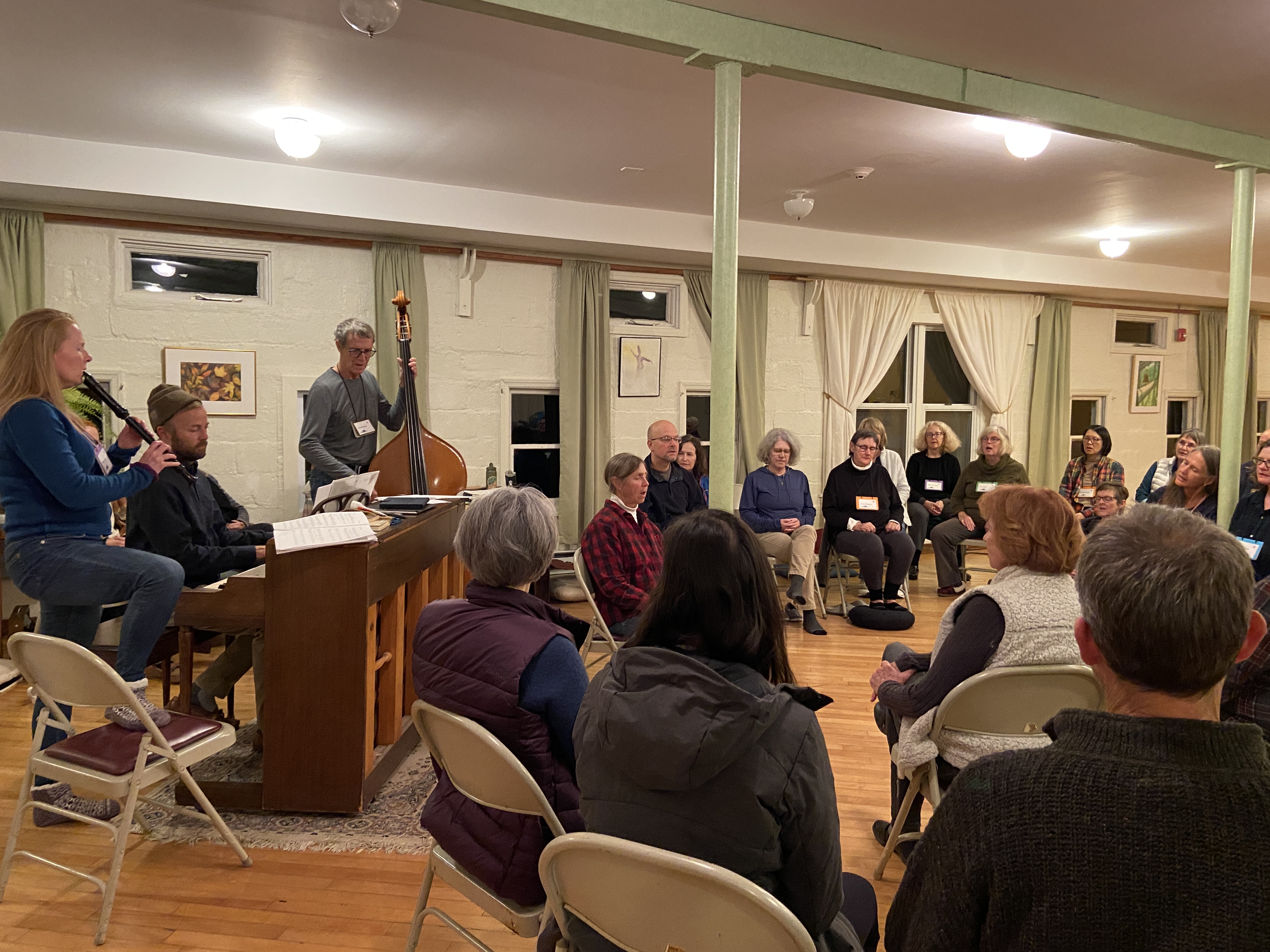
Movement and dance developed by Gurdjieff, which work on the body, mind, and feeling at the same time, and show you how those parts of you interact.
Choral singing. No experience needed.
Facilitators
Facilitators
The course is facilitated by a variety of specialists — in carpentry, cooking, and music — and by people with long experience of the practices and ideas of G. I. Gurdjieff and J. G. Bennett.
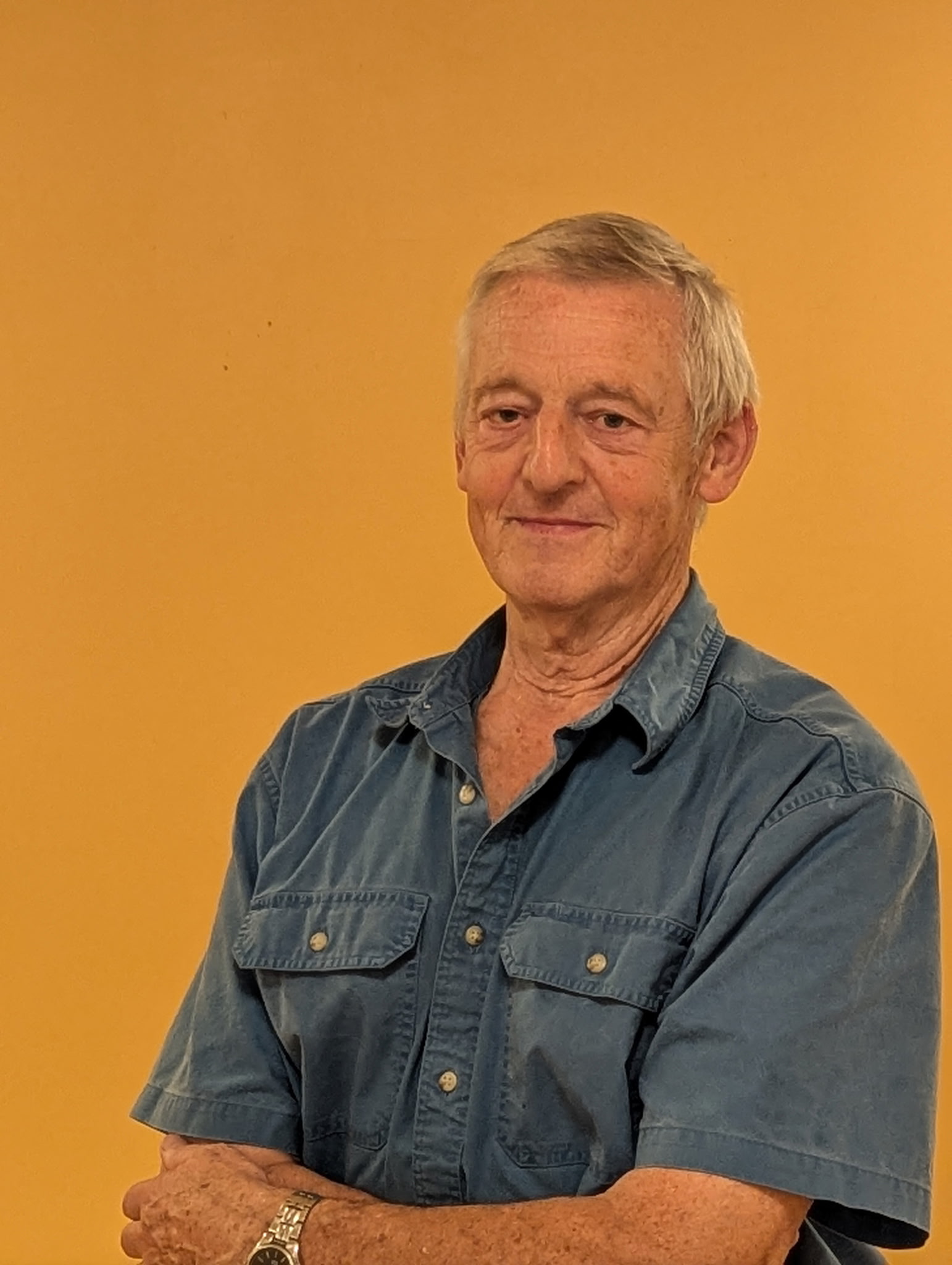
George Bennett
Course Coordinator
George Bennett attended one of J. G. Bennett’s year-long courses in 1973, and went on to a varied career as an international truck driver in Europe, a journalist, and later as a teacher at an elementary school in Massachusetts inspired by the teachings of Gurdjieff and Bennett. He has facilitated numerous seminars and courses in Europe and the USA, based on his ongoing work with the methods and practices he learned from Bennett. He wishes to share them with others because they have worked for him. He has five children and six grandchildren who live in the United States, England and Australia.
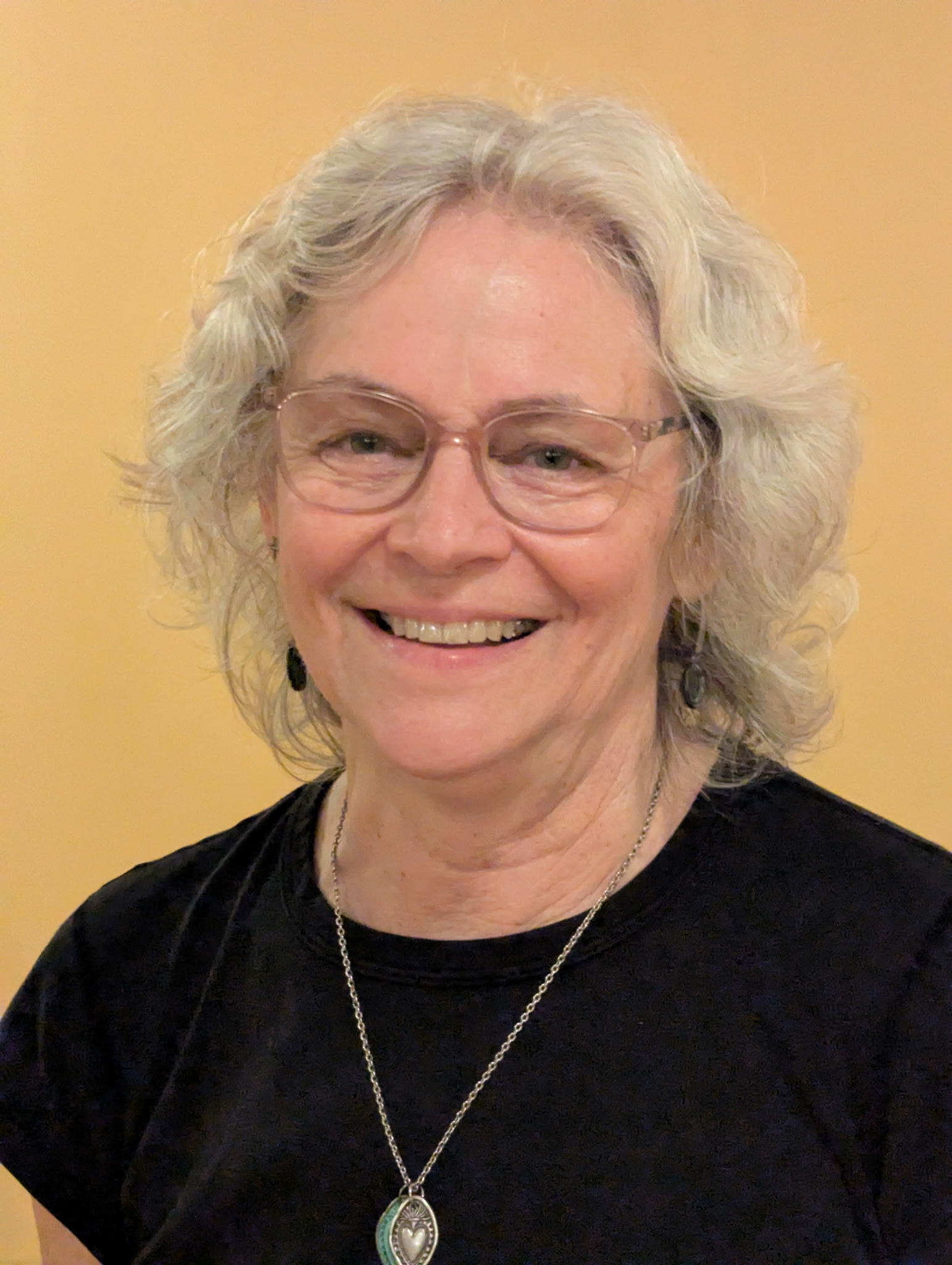
Amy Silver
Course Coordinator
Amy Silver attended a nine-month course at Claymont in 1982 and has lived and worked at Claymont since 1989, leading groups, teaching Movements, and running the seminar program. She serves as Executive Director of the Claymont Society for Continuous Education.
Leila Rassi
Resident
Leila Rassi attended the 2025 hybrid course and is Resident at Claymont. She works on the seminar program bringing groups from numerous traditions around the world to Claymont, and organizes Movements classes and community gatherings. Her design research and organizational leadership approach is rooted in the work of David Graeber, Edward Said, and adrienne maree brown, and focuses on human-centered systems design in health and technology. She is an energy healer, coach, and advisor.
About
About the Claymont Society for Continuous Education
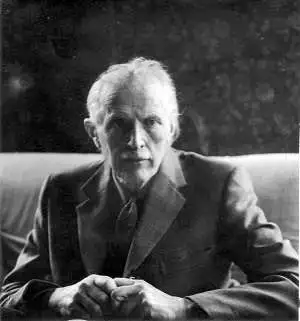
John G. Bennett, founder of the Claymont Society for Continuous Education.
John G. Bennett was a British scientist and philosopher, and one of G. I. Gurdjieff’s principal students. Gurdjieff taught what came to be called the Fourth Way: a method of inner development practiced in the middle of ordinary working life, rather than withdrawing to a monastery or working through the body alone.
Cost & Apply
Who Should Apply
There are no prerequisites. No degree, no prior study, no background in these ideas. We welcome participants from all over the world.
This course is for:
People who have the sense that holding on to our own humanity matters
Those who realize that they are responsible to the environment and to the people around them
People who see that there are many forces undermining our capacity to respond to the needs of the moment
Those who wish to change how they currently live their lives
This course is not for:
Dilettantes, or people seeking distraction or escape
People uncomfortable living and working alongside others from many different ethnic, cultural, educational, and class backgrounds
People who prioritize protecting their own comfort
People who are broadly satisfied with the way we are living now
It is a course for people who wish to prepare themselves for living constructively in an uncertain future.
Course dates
June 5 to August 29, 2027
Cost
$3,000
Some financial aid may be available.
To be considered for the 2027 cohort:
Submit the application form.
Complete an interview over Zoom with Claymont staff and alumni — a chance to learn more about each other and ask questions about the curriculum, logistics, and anything else that comes up.
The admissions committee reviews applications and interviews together, and sends an invitation to enroll.
For further details, or with any questions about the application, please contact
remaininghuman@claymont.org.